


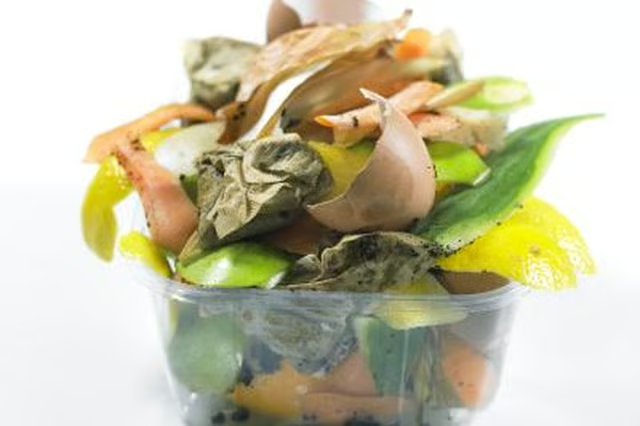
Food waste that ends up in a landfill doesn't biodegrade without consequences. The decomposition process produces methane, a powerful greenhouse gas that contributes to global warming. In the U.S. alone, an unappetizing 26 million tons of food go to waste each year (see References 4). Composting is a simple way to return uneaten food back to the earth and enrich the soil for the next harvest. Don't attempt to compost everything, though. Knowing which foods can go in the compost pile is the key to creating a useful mulch instead of a hot mess.
Produce Scraps
If you eat an abundance of fresh fruits and vegetables, don't trash these valuable scraps. You can add the peels, cores and seeds from all of your produce to a compost pile or bin. Overripe or moldy produce, corncobs and husks are also good candidates for compost. After juicing fruits and vegetables, clean the pulp out of the machine and compost it, too. (See References 1)
Breads and Grains
Most anything made with flour can go into your compost pile. When bread and crackers go stale, don't toss them; give them a fresh new life. If that leftover pasta doesn't make it to the table while it's still in its prime, compost it, too -- as long as you've not mixed it with any meat, dairy or oils. In the unlikely event that a few donuts or cookies go uneaten, they don't have to go to waste if you use them to create an even sweeter soil additive. (See References 1)
Beverage Waste
Used coffee grounds are an effective ingredient in the resourceful gardener's soil mix, and for good reason. Coffee grounds add nitrogen, minerals, carbohydrates and vitamins to soil and pass these important nutrients along to plants (see References 5). Paper coffee filters are also prime for the compost heap. If you prefer tea, you can enrich your soil with loose leaves and tea bags, but remember to remove staples from the tea bags first. (See References 2)
Egg Shells
Your garden benefits from the addition of calcium carbonate, or lime, so giving eggshells back to your plants is another resourceful way to compost food waste. Eggshells are made almost entirely of calcium carbonate, and also contain nitrogen and phosphoric acid, which balance the soil (see References 5). Eggs themselves should not be added to compost; rinse the shells, and place them on a pan to dry in the oven. Before adding eggshells to your compost, crush them so they break down more easily. (See References 1)
What to Leave Out
It's just as important to recognize which foods cause problems in a compost pile. Certain food scraps can create unappealing odors and attract flies and rodents. Leave out dairy products, oils, meat, fish and bones, or your composting efforts will not only turn unsavory, you'll also disrupt the healthy balance of an otherwise nutrient-rich soil additive. (See References 3)
