
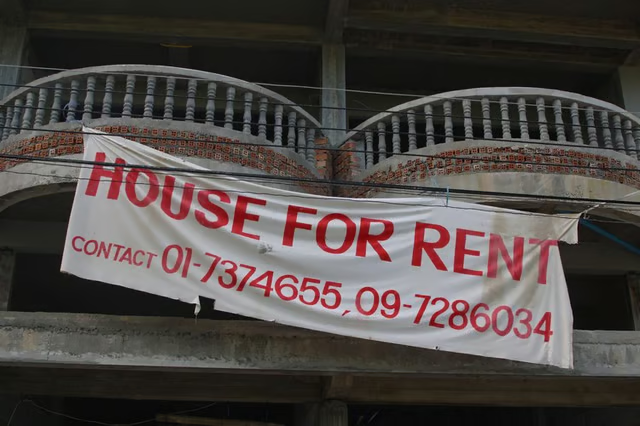
Rent-to-own homes allow you to own your own home as you build equity and fix credit problems. Sometimes your rent payments can even contribute towards the final purchase price of the property and lead to homeownership. Similar to renting a condo or apartment, you will have to sign a rent-to-own agreement, and follow the guidelines or else risk eviction or foreclosure. However, unforeseen circumstances may arise causing you to terminate the rental agreement with your lender before the end of the lease term. Approach the situation with the property or real estate manager delicately to avoid a more stressful situation.
Step 1:
Read the terms of your purchase agreement carefully. Most property owners require at least a 30-day notice to terminate the lease. The renter may also be required to pay a liquidated-damages fee, and will likely not be refunded for their option fee, security deposit or down payment as set by the landlord in the rent-to-own contract. This can be costly.
Step 2:
Notify the property manager as soon as possible if you are considering breaking your land contract. The sooner you inform them of the situation, the more likely they are to work with you and the sooner you can stop your rental payments. If you vacate the property without notice, the property manager could sue you for breach of contract and still charge you monthly rent as specified in the agreement. Leaving these monthly payments unpaid could have even more negative consequences. The judgment will likely appear on your credit history, hurting your credit score, and making it harder for you to rent or become a homeowner in the future.
Step 3:
Ask your landlord if you can sublet the property month-to-month to someone who can take over the remainder of your lease period. Some property managers are open to the idea of a lease option if you are upfront with them early on about your moving situation and you approach them in a friendly and professional manner about your tenancy.
Step 4:
Pay the early termination fee as defined by the lease agreement, return the keys and move out if you choose to not seek the guidance of an attorney and are not able to sublease the property. It is best to obtain legal advice from a landlord and tenant attorney concerning your specific state laws to make the best informed decision about your lease-to-own agreement, so you get the most our of your rental property, property taxes and ultimately the type of agreement that works best for your situation.
