
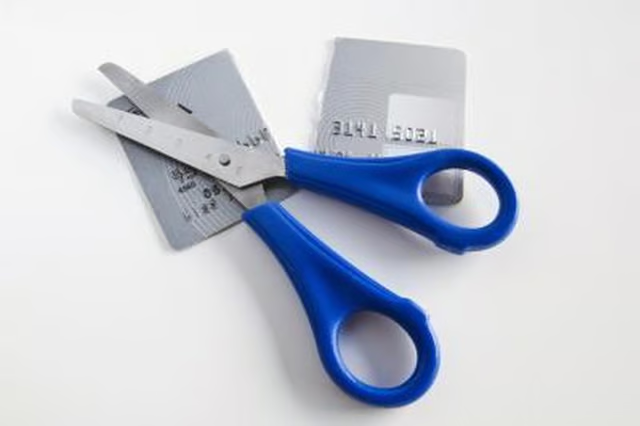
Whether it's to keep from spending more money or cutting back on your revolving debt, the decision to close a credit card shouldn't be taken lightly. For example, if you have a card you've paid off and close it, it will drop out of your credit history after 10 years. If you keep it open, even without having a balance, it will stay on your credit history as proof you can handle credit -- which can help your credit profile. While closing your card may give you peace of mind, it may not be the best move for your credit score.
Preventing Extra Expenditures
At its core, closing a credit card account may help reduce temptation. Too often, people use a credit card to pay for extra expenditures such as clothes or a trip to a restaurant. While doing this every so often sounds fine in theory, many cards have a high interest rate that makes these tiny treats add up. You can't use a card you shut down, so you avoid those extra costs and any annual fees on a balance.
Preventing Identity Theft
Even though you're no longer using your credit card, it doesn’t mean someone else can’t. While the chances are slim that an identity theft can hijack the card, having that open account you're not checking on a regular basis is an unnecessary risk.
Reduce Revolving Debt
One of the big issues with keeping your credit card open is it keeps a high amount of revolving debt on your credit report. Revolving debt is the amount of credit card debt you owe in relation to your balance. If you keep your card and use it, it may make it harder for you and your partner to qualify for a loan. Cutting back on that revolving debt before applying for any type of loan will increase your chances of being accepted.
FICO Score Damage
Closing a card after you've paid it off may help your credit in the long run, but you'll take a hit on your FICO score in the short term. Your credit history makes up for 35 percent of your FICO number. Losing a card in good standing may cause a small hit on your FICO score. The hit may not be significant if you have other open credit card accounts in good standing, but having a balance and a strong payment history is always helpful to your credit.
Balancing High Debt
If you have other cards with high balances, wait until you pay them down before you start closing unused cards. Those cards a positive on your credit report since they show you can handle credit. They essentially balance out the cards with high balances that indicate you may have a problem managing credit.
