


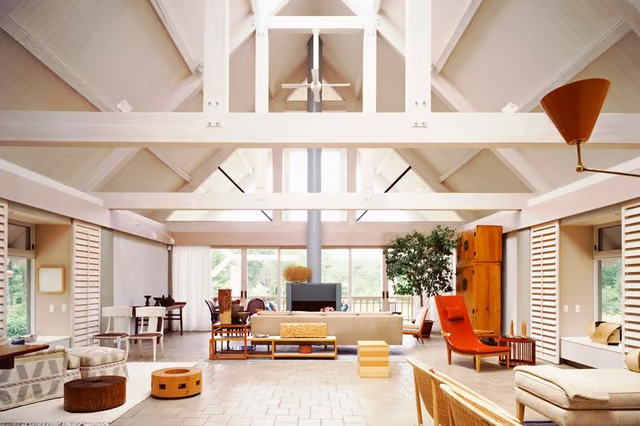
Anything that adds square footage to your home will also add costs, and a vaulted ceiling is no exception. A vaulted ceiling, however, adds square footage and costs without adding any additional living space. These ceilings do add a beautiful design element to the home, but only you can decide if the aesthetic is worth the price.
You can mitigate some of these costs. Heating and cooling costs, for instance, are more easily managed when you make sure your HVAC system is properly sized and able to accommodate the extra space without working overtime. You'll just have to live with some of the costs associated with a vaulted ceiling, however. For a 20-foot by 20-foot room, a vaulted ceiling can easily cost $18,000 to $25,000.
The Construction Costs
Depending on the trim, finishes and design you choose, vaulted ceilings can add between five and 20 percent to your construction costs when building a home. Costs can rise even further if you want arches, domes and other more elaborate designs. Vaulted ceilings require more material to build and more equipment. Finishing the drywall, painting and adding trim to a vaulted ceiling often requires scaffolding, safety equipment and laborers who know how to properly use them. Vaulted ceilings sometimes create a longer roof line, which increases roofing costs.
Heating and Cooling Costs
In the summer, vaulted ceilings work to your advantage. Hot air rises, and the higher ceiling will give that air plenty of space to rise into, thus taking it away from you. This same principle works against you in the winter, however. In the winter, you pay to heat the air in your home so you can stay comfortable. You'll have to warm more air to stay cozy if you have a vaulted ceiling.
You can help reduce the cost increase with an HVAC system properly sized for your space. You'll also want to verify that the contractor placed the HVAC ducts properly and install a ceiling fan to help circulate the air in the room. Skylights that open will vent hot air in the summer to help reduce cooling costs, and radiant floor heating helps keep vaulted spaces warm in the winter. Even with these measures, vaulted ceilings are likely to increase your energy bills somewhat.
Additional Maintenance Costs
Every few years you may have to repaint your vaulted ceiling or update the trim. If your roof leaks at any point, the resulting damage and water stain will also require some attention. Just as the need for scaffolding and safety gear increases the cost of building a vaulted ceiling, it also increases the cost of repairing and maintaining it.
Vaulted ceilings also increase the square footage that needs to be painted and the amount of paint required to cover the surface. Ceiling repairs and repaints aren't everyday occurrences, so you'll likely find these extra costs rare and minimal. They will add a bit to certain jobs, however.
Return on Investment
Although a vaulted ceiling adds costs, it can also add value. If your home is small, a vaulted ceiling can add height, light and a sense of openness to the space that was missing before. Buyers pay for all of these traits, and a vaulted ceiling can increase the value of your home by as much as 25 percent.
This return on your investment is not a guarantee, however. Buyers often expect this feature on higher-end homes and while low ceilings may hurt the home's value, a vaulted one won't increase it much. Remember too that as nice as a vaulted ceiling is, it can't make up for a bad location or an overall run-down feel.
